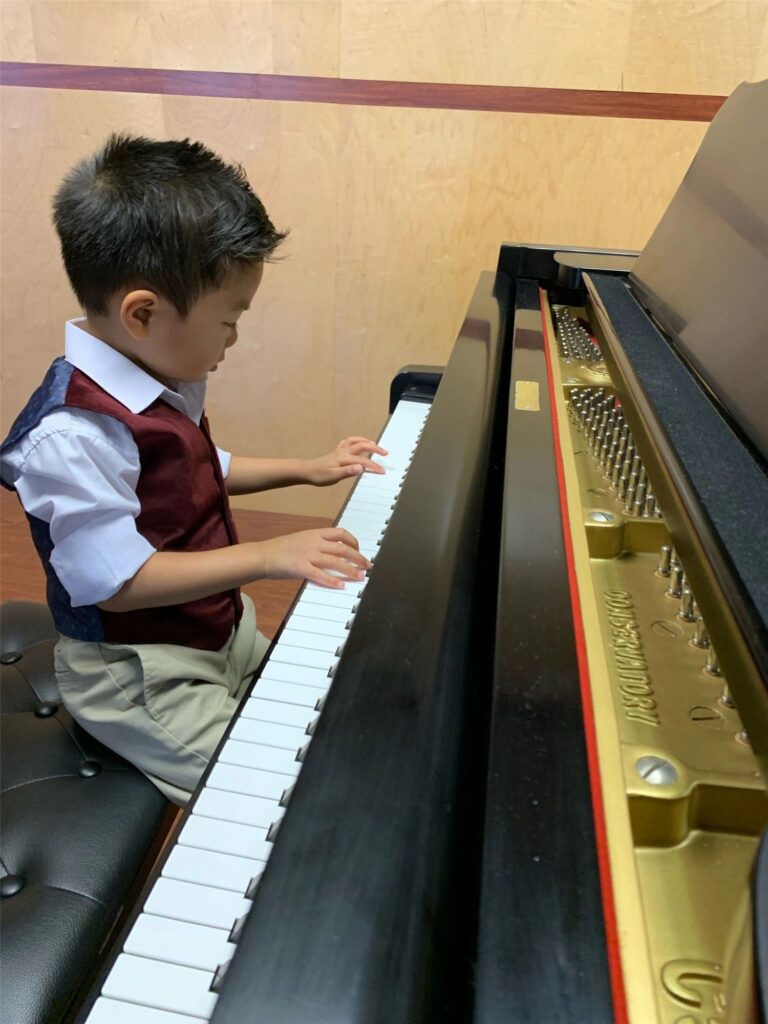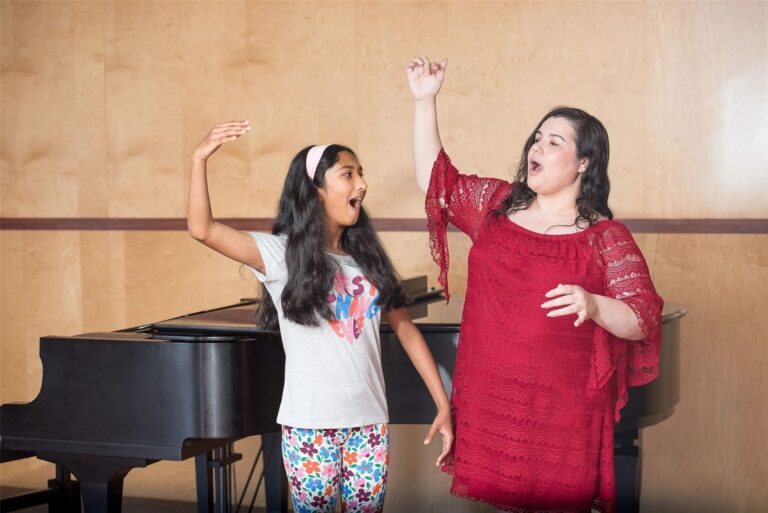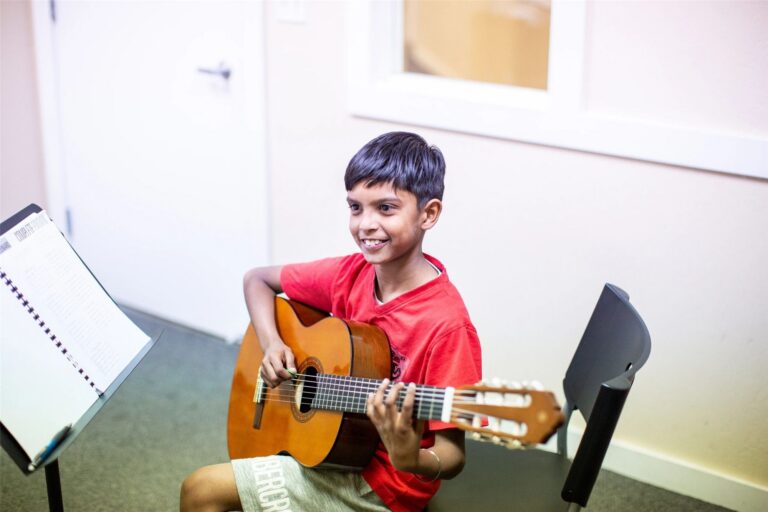
At Norcal Music & Arts Center, we’ve worked with students of all ages, from eager young beginners to adults picking up piano for the first time. While the fundamentals of music remain the same, the way children and adults learn, engage, and progress in piano lessons is quite different.
If you’re considering lessons for yourself or your child, it’s essential to understand these differences to make the most of your experience.
How Do Piano Lessons Differ for Adults and Kids?
1. Learning Style and Approach
- Kids thrive on structure and repetition. Their brains are wired for absorbing new patterns, so lessons often focus on simple melodies, finger exercises, and visual aids like colorful books and flashcards.
- Adults prefer understanding the ‘why’ behind the music. Many adult learners want to grasp music theory, chord progressions, and even improvisation rather than just memorizing songs.
- Practice strategies vary. Kids often benefit from short, daily practice sessions with parental guidance, while adults may prefer longer but fewer practice sessions to fit their schedules.
2. Attention Span and Focus
- Young students have shorter attention spans, requiring frequent breaks and engaging activities.
- Adults can focus for longer periods, making it easier to dive deep into technique and theory in a single lesson.
- Gamification works for kids, while adults may prefer structured goals, such as mastering a song they love or preparing for a performance.
3. Finger Strength and Dexterity
- Children’s hands are still developing, so exercises focus on building strength and coordination gradually.
- Adults may have stiffness or prior hand strain, requiring more warm-ups and stretching exercises before playing comfortably.
- Children’s hands are still developing, so exercises focus on building strength and coordination gradually.
- Adults may have stiffness or prior hand strain, requiring more warm-ups and stretching exercises before playing comfortably.
4. Motivation and Goals
- Kids often take lessons because their parents sign them up, making motivation a challenge that teachers must nurture.
- Adults choose to learn piano for personal fulfillment, whether it’s playing a favorite song, relieving stress, or picking up a new hobby.
- Progress expectations differ: Kids typically advance through graded levels, while adults often prefer a customized approach based on their musical interests.
What to Expect When Starting Piano Lessons
For Kids: Building a Strong Foundation
Children benefit from a structured approach that incorporates fun elements like:
- Interactive learning materials – Stickers, flashcards, and music games keep kids engaged.
- A patient and encouraging instructor – Positive reinforcement is key.
- Parental involvement – Parents should help with practice at home, ensuring progress.
- Interactive learning materials – Stickers, flashcards, and music games keep kids engaged.
- A patient and encouraging instructor – Positive reinforcement is key.
- Parental involvement – Parents should help with practice at home, ensuring progress.
For Adults: A Flexible, Goal-Oriented Approach
Adults often have specific musical preferences and enjoy a more tailored experience:
- Song-based learning – Lessons focus on pieces the student enjoys.
- Efficient practice techniques – Exercises that fit busy schedules.
- Theory and improvisation options – Many adults enjoy understanding how music works beyond just reading notes.
- Song-based learning – Lessons focus on pieces the student enjoys.
- Efficient practice techniques – Exercises that fit busy schedules.
- Theory and improvisation options – Many adults enjoy understanding how music works beyond just reading notes.
Common Concerns About Learning Piano as an Adult
Many adults worry that it’s “too late” to start learning piano. The truth is, adults often progress faster than children because they have better discipline, a clear reason for learning, and the ability to self-motivate. It’s never too late to start!
Do Kids and Adults Need Different Pianos?
While both adults and kids can start on the same instrument, here are some things to consider:
- For young kids: A smaller keyboard or digital piano with weighted keys is a good starting point.
- For adults: A full-sized piano with weighted keys provides the best learning experience.
- For both: Digital pianos with headphone options are great for quiet practice sessions at home.
- For young kids: A smaller keyboard or digital piano with weighted keys is a good starting point.
- For adults: A full-sized piano with weighted keys provides the best learning experience.
- For both: Digital pianos with headphone options are great for quiet practice sessions at home.
A Real-Life Success Story
One of our adult students, Lisa, started lessons in her mid-40s. She had never touched a piano before but wanted to play classical pieces she loved. Within six months, she was confidently playing beginner Beethoven pieces. Meanwhile, seven-year-old Emma, another student, learned through playful exercises and simple songs, developing a strong foundation for future growth.
Both students thrived, but their approaches were entirely different—highlighting why personalized instruction matters.
The Best Age to Start Piano Lessons
- Kids can start as young as 4-5 years old with simple finger exercises and playful songs.
- Adults can start at any age—it’s all about personal interest and commitment.
- The earlier the exposure, the better, but starting later still brings immense benefits.
- Kids can start as young as 4-5 years old with simple finger exercises and playful songs.
- Adults can start at any age—it’s all about personal interest and commitment.
- The earlier the exposure, the better, but starting later still brings immense benefits.
Finding the Right Piano Teacher
A great teacher tailors lessons to the student’s age, goals, and learning style. At Norcal Music & Arts Center, we offer customized instruction for all ages, ensuring students stay engaged and motivated.
Ready to Start? Find the Right Piano Lessons for You
Whether you’re looking for piano lessons in Sunnyvale for your child or yourself, we’re here to help. Our experienced instructors at Norcal Music & Arts Center create personalized lesson plans suited to your learning style. Contact us today to book a free trial lesson!
Frequently Asked Questions
1. Is it easier for kids to learn piano than adults?
Kids absorb new skills quickly, but adults have better focus and discipline. Both age groups can succeed with the right approach.
2. How much should a beginner practice?
Kids do best with 15-30 minutes a day, while adults can manage with 30-45 minutes, 4-5 days a week.
3. What’s the best type of piano for beginners?
A digital piano with weighted keys or an acoustic piano is ideal for both kids and adults.
4. Can adults really learn piano from scratch?
Absolutely! Many adults start with zero experience and become skilled players with regular practice.
5. How long does it take to learn piano?
Basic songs can be learned in a few months, but mastering the instrument takes years. The key is consistent practice.
Learning piano is an exciting, rewarding experience at any age. Whether you’re enrolling your child or picking up the instrument yourself, knowing what to expect can set you up for success. If you’re ready to get started, Norcal Music & Arts Center offers expert-led lessons tailored to your needs. Contact us today to schedule your first lesson!