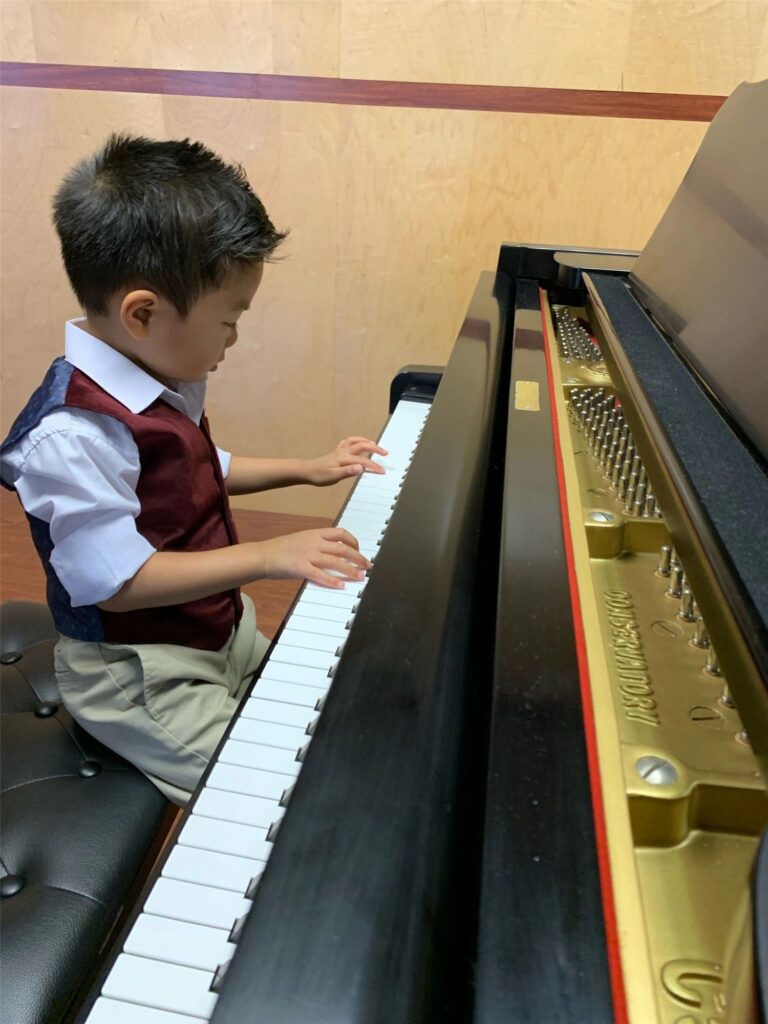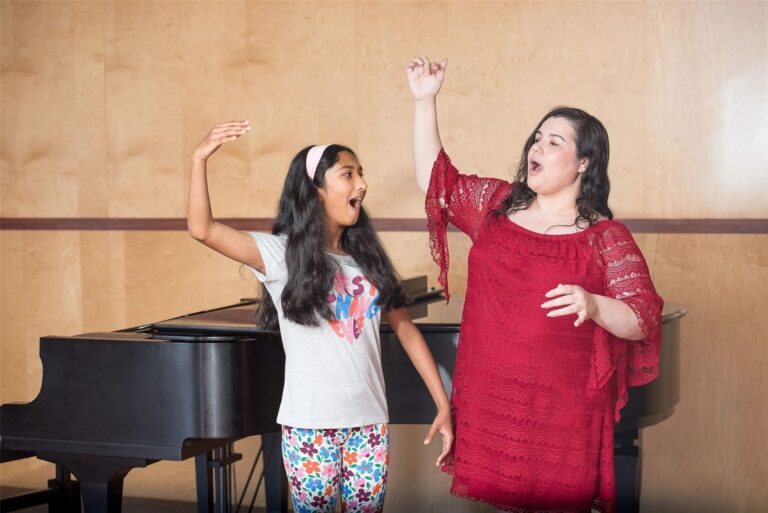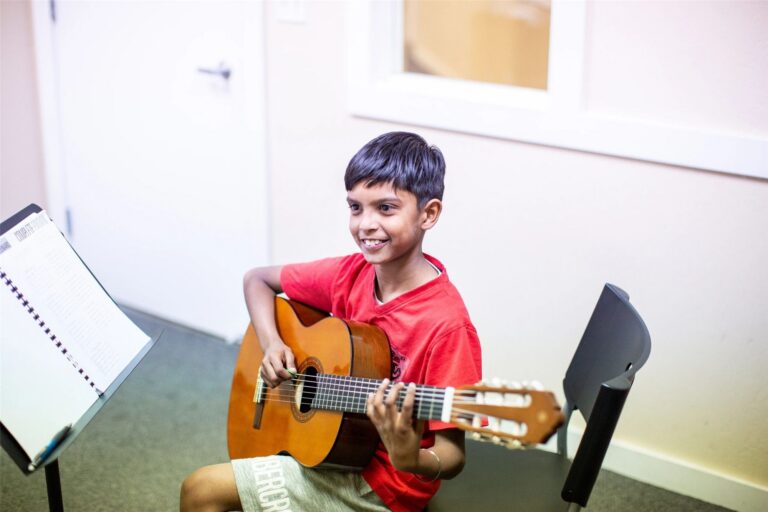
Everyone, irrespective of their age, loves and enjoys music. Especially in children, music can ignite different areas of development and help improve social, emotional, and intellectual growth. Enrolling your child in a Sunnyvale music school can help expose them to the benefits of music at an early age and accelerate their overall development.
Below are reasons why you should introduce your child to music:
Develops Motor Control
A child may tap, clap, bounce, and dance when they hear music. Each of these movements helps to promote motor control and enhance coordination in the child. It improves the child’s fine and gross motor skills. Fine motor skills can be developed through action rhymes, finger plays, playing with instruments, and making instruments. Gross motor skills can be developed through playing with large instruments, musical games, and dancing. Songs and games together can help boost the child’s body and brain coordination.
Helps with Sound and Speech
Children develop speech by learning about the connection of sounds and their meanings. Music can be very beneficial in developing speech in children. It can help kids to associate sounds with feelings, words, and emotions. Lyrics in different songs are easier to remember than simple vocabulary. Music can help easily transition the child into developing language skills.
Intimacy
Music helps to develop close relationships between the children and their friends and family. Intimacy and close relationships have a major impact on a child’s development. Many studies have shown that babies will calmly listen to a lullaby for twice the time that they will listen to someone talk. They will feel relaxed and secure when parents or caregivers sing lullabies and change their pitch or tone to soothe the baby.
Improves Communication and Imagination
Music can help children build neural pathways when they are still learning to talk. These pathways help children to speak and listen. Good music acts as a catalyst for the development of these pathways. This, in turn, improves the child’s imagination and communication. Most kids mimic songs and babble lyrics. It helps them think creatively and understand what different words mean.
Helps Sensory Development
Like textures and colors, music plays an important role in a child’s sensory development. Children exposed to different types of music will show improved activity in their brain cells.
Improves IQ
Music can play an important role in improving a child’s IQ. Many studies have shown that learning to play a musical instrument can have a lasting effect on a child’s brain and development.
Helps to Enrich Culture
Music can act as a gateway for children to understand their culture. You can tell your children stories through music. You can make these stories more profound by combining the lyrics with instruments. Songs in different languages can introduce your child to many languages. This way, music can help connect your children to your and many other cultures.
Improves Mood
Music and dance can help enhance a child’s mood and bring the entire family or community together. It also helps create many happy memories for the child. Music can also act as a healthy outlet for self-expression and teach children to control their emotions.
Improves Listening Skills
Playing an instrument requires a child to listen to it carefully. Not only do they need to listen to their teacher’s instructions, but they also have to pay close attention to the pitch, rhythm, and tempo. Playing a musical instrument can improve a child’s listening skills and concentration.
Improves Verbal Intelligence
Many studies show that music and songs can help improve a child’s verbal intelligence. Listening to songs helps children pick up new words. As every song portrays a different emotion, the children will also be able to understand the meanings of the words quickly.
Understanding Sound Patterns
Children learn sound patterns through poems, rhymes, and songs. These patterns may emerge through rhythm, rhyming, syllables in words, instruments, stress patterns in any song, and alliteration. These patterns can become the basis of literacy and numeracy in a child. Learning about these patterns through music can help a child cope academically when they learn to write, read, spell and do math.
Improves Memory
Listening to the same songs continuously can help improve a child’s memory. The repetitive nature of the songs will help children work on their motor skills continuously. The rhythm and tune of any song will make it easier to memorize.
How to Introduce Music to Kids of All Ages
There are many activities you can try with children to help them experience the pleasure of music. Below are some activities based on the stages of growth:
Infants
Infants will recognize the melody of any song much before they understand the words. You can use quiet background music to soothe your infants during sleep time. You can even sing short and simple songs to your infants. Music can help you teach your infants about regular activities through songs about bathing, eating, or dressing.
Toddlers
Toddlers love to dance to music. You must repeat a musical piece again and again for the toddler to recognize it. This activity can help improve memory and language skills. You can even create new rhymes and songs with your toddlers.
Preschoolers
Preschoolers just enjoy the act of singing. They don’t get self-conscious and are eager to showcase their singing to others. They like songs that have repeated words and melodies with a definite rhythm. You can sing nursery rhymes with your preschooler or indulge them in fingerplay and self-created rhymes.
School Age Children
By the time they reach school, children can differentiate between music that they like and dislike. They begin to use music as a tool for self-expression. You can enroll your child in music education or music classes if they show an interest in music.
There is no disadvantage to introducing your child to music. They can enjoy the benefits of music from the time they are born. Whether you play music for pleasure, to soothe your child, or to teach them new words and languages, music will certainly be beneficial to your child.
https://ncmac.net/ offers music lessons to children of different age groups. We offer lessons for guitar, piano, drums, violin, cello, and many other instruments. We conduct both online and offline classes and help enrich your child’s life through music.
Name, Address and Phone
Norcal Music & Arts Center, 761 E El Camino Real Sunnyvale CA 94087, (408) 777-0740