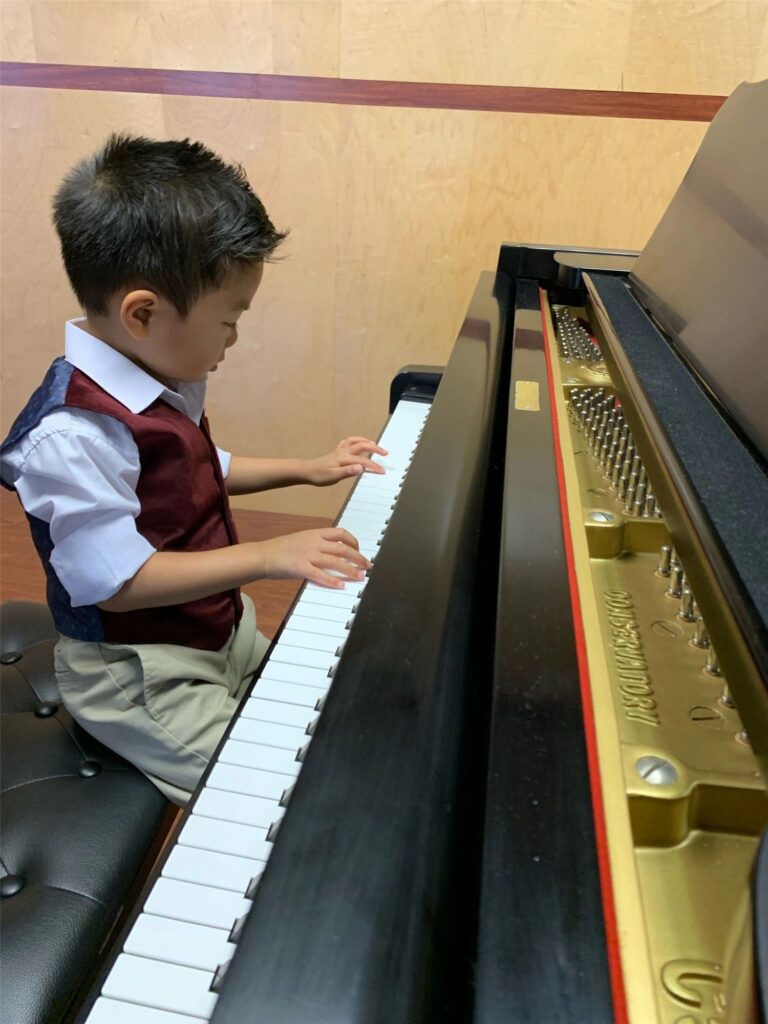
Learning to play the piano is a magical experience, especially for young learners. However, one of the most challenging aspects for beginners is developing finger independence. This skill is essential for fluid, expressive playing and forms the foundation of advanced techniques. At Norcal Music & Arts Center, we understand the journey young pianists embark on, and we’re here to provide actionable insights to help them grow.
In this blog, we’ll delve into the importance of finger independence, effective techniques to nurture it, and the tools that can make the process more engaging for kids.
Why Finger Independence Matters
The Building Block of Piano Mastery
Finger independence is the ability to move each finger freely while the others remain relaxed. This skill allows pianists to play complex pieces, manage intricate rhythms, and express emotions through dynamics and articulation. Without it, even simple pieces can feel overwhelming.
Common Challenges Young Pianists Face
- Lack of Coordination: Many young students struggle with controlling individual fingers, especially the weaker fourth and fifth ones.
- Over-reliance on Dominant Hand: Right-handed or left-handed dominance often makes one hand more agile than the other.
- Frustration from Slow Progress: Difficulty in mastering finger independence can demotivate students if not approached correctly.
Proven Techniques to Develop Finger Independence
1. Start with Simple Exercises
Beginner-friendly exercises can help young pianists build confidence while strengthening their fingers. Some examples include:
- Five-Finger Scales: Encourage students to play ascending and descending scales using only five notes (C-D-E-F-G). Focus on evenness and clarity.
- Hanon Exercises: Adapt simplified versions of Hanon exercises to improve finger dexterity gradually.
- Five-Finger Scales: Encourage students to play ascending and descending scales using only five notes (C-D-E-F-G). Focus on evenness and clarity.
- Hanon Exercises: Adapt simplified versions of Hanon exercises to improve finger dexterity gradually.
2. Introduce Hands-Separately Practice
Learning pieces hands separately can reduce the cognitive load and help young learners focus on controlling individual fingers. Over time, they’ll naturally develop better coordination when combining both hands.
3. Use Repetition with Variation
Repetition builds muscle memory, but adding slight variations keeps the exercises engaging. For instance:
- Alter dynamics: Play softly, then loudly.
- Change rhythms: Switch between legato and staccato styles.
- Alter dynamics: Play softly, then loudly.
- Change rhythms: Switch between legato and staccato styles.
4. Incorporate Finger Strengthening Tools
Simple props can make practice more fun:
- Finger Puppets: Ask students to wiggle specific fingers while wearing puppets.
- Stress Balls: Squeezing a soft ball strengthens hand muscles.
- Finger Puppets: Ask students to wiggle specific fingers while wearing puppets.
- Stress Balls: Squeezing a soft ball strengthens hand muscles.
5. Encourage Visualization and Mindfulness
Sometimes, students struggle because they lack awareness of which finger to use. Teach them to visualize each finger’s movement before playing. Slow, deliberate practice also helps reduce tension.
Tools to Support Young Pianists
Digital Aids
Interactive apps like Simply Piano or Piano Maestro gamify learning, encouraging consistent practice. These apps often include finger exercises tailored for young learners.
Fun Sheet Music
Introduce playful pieces like nursery rhymes or well-known tunes that naturally incorporate finger independence challenges.
Fingerboards and Keyboards
Invest in colorful, tactile keyboards or fingerboards to keep practice engaging for children.
Practical Tips for Parents
Parents play a crucial role in supporting their child’s musical journey. Here’s how they can help:
- Create a Routine: Consistent practice times build habits.
- Be Patient: Finger independence takes time. Celebrate small victories to keep your child motivated.
- Encourage Creativity: Let them experiment with improvisation to make practice feel less rigid.
- Enroll in Piano Lessons: Professional guidance ensures steady progress and minimizes frustration. Piano lessons at Norcal Music & Arts Center are tailored to each child’s needs, emphasizing both skill development and enjoyment.
Addressing Common Myths and Concerns
Myth: “Finger Independence Should Come Naturally”
Some believe finger independence is an innate skill. While some students may pick it up faster, it’s a learned ability that improves with practice.
Concern: “My Child’s Hands Are Too Small”
Even tiny hands can learn to move independently. Start with exercises suited to their size and strength, gradually increasing difficulty.
Myth: “Practice Has to Be Long to Be Effective”
Short, focused sessions (10-15 minutes) often yield better results than longer, unfocused practice. It’s about quality over quantity.
FAQs
How Long Does It Take to Develop Finger Independence?
Every child is different, but noticeable progress can often be seen within a few weeks of consistent, focused practice.
Are Certain Exercises More Effective Than Others?
Yes, exercises that focus on isolating and moving individual fingers—like five-finger scales and Hanon drills—are particularly effective.
Can Adults Use These Techniques Too?
Absolutely! Finger independence techniques are universal and benefit learners of all ages.
What Should I Do if My Child Gets Frustrated?
Break the practice into smaller segments, use fun tools like finger puppets, and remind them that every pianist starts somewhere.
Let’s Get Started on Your Musical Journey
Helping your child develop finger independence is a rewarding process that lays the foundation for lifelong piano enjoyment. At Norcal Music & Arts Center, we’re here to make learning engaging and effective. Explore our piano lessons to give your child the personalized attention they deserve.
Whether they’re just starting or looking to refine their skills, we’ll help nurture their potential every step of the way. Contact us today to learn more!