Music education has the power to ignite creativity, enhance cognitive abilities, and foster discipline in young learners. However, every child learns differently, and understanding how to match their unique learning style to the right music lessons can make all the difference in their success. Whether your child is an auditory learner, visual learner, or kinesthetic learner, tailoring the approach can help them develop a deeper connection with their musical instrument and stay motivated throughout their lessons.
In this article, we will explore the various learning styles and how they influence a child’s progress in music lessons. By understanding these differences, parents and caregivers can make informed decisions about the best learning environment for their child. Plus, we’ll share insights on how choosing the right music lessons can boost your child’s confidence and foster a lifelong love of music.
Understanding the Different Learning Styles
Before diving into how learning styles impact music lessons, it’s important to understand what they are. Everyone has a natural preference for how they process and absorb new information. In the context of learning music, these preferences can significantly affect how children approach their lessons and practice routines.
1. Auditory Learners: Learning Through Sound
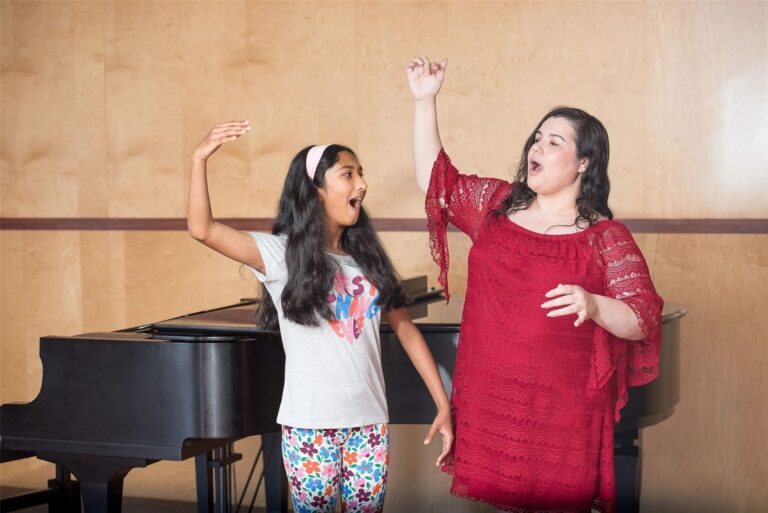
Auditory learners process information best through sound. They tend to excel in environments where they can listen to music or verbal instructions to fully grasp concepts. When it comes to music lessons, auditory learners benefit from hearing melodies, rhythms, and tonal qualities before they attempt to play them themselves. These learners are often the first to pick up on subtle nuances in a piece of music.
Characteristics of Auditory Learners:
- Enjoy listening to music or sounds while studying
- Have strong musical pitch recognition and rhythm skills
- Often repeat things out loud to help retain information
- May struggle with written instructions but excel when instructions are spoken
- Enjoy listening to music or sounds while studying
- Have strong musical pitch recognition and rhythm skills
- Often repeat things out loud to help retain information
- May struggle with written instructions but excel when instructions are spoken
For auditory learners, a music lesson approach that emphasizes listening and verbal cues is key. This may include:
- Playing audio recordings of the pieces they are learning
- Incorporating oral explanations of musical concepts, such as scales and chords
- Using rhythm exercises that involve clapping, tapping, or vocalizing sounds
- Playing audio recordings of the pieces they are learning
- Incorporating oral explanations of musical concepts, such as scales and chords
- Using rhythm exercises that involve clapping, tapping, or vocalizing sounds
Best Fit: If your child responds well to music and verbal cues, a teacher who uses a Sunnyvale music lessons approach that emphasizes listening, repetition, and verbal feedback may be a great fit. These learners thrive in environments where they can hear music played often and are encouraged to imitate melodies and rhythms.
2. Visual Learners: Learning Through Sight
Visual learners absorb information best when it’s presented in a visual format. They prefer to see things clearly laid out, whether through images, diagrams, or written instructions. In music lessons, visual learners benefit from seeing sheet music, watching a teacher’s hand movements, and using visual aids to understand musical concepts like note patterns, hand positions, and finger placements.
Characteristics of Visual Learners:
- Learn best by seeing images, diagrams, and videos
- Have strong memory for visual details, such as sheet music or diagrams
- Are often good at recognizing patterns
- May struggle to remember information when it’s only given verbally
- Learn best by seeing images, diagrams, and videos
- Have strong memory for visual details, such as sheet music or diagrams
- Are often good at recognizing patterns
- May struggle to remember information when it’s only given verbally
Best Fit: For visual learners, it’s important to work with a teacher who incorporates plenty of visual aids, like sheet music and diagrams, into their lessons. Tools like color-coded sheet music or flashcards for note names can also be helpful. A teacher who uses visual learning techniques will ensure that your child feels confident as they read and interpret music.
3. Kinesthetic Learners: Learning Through Movement
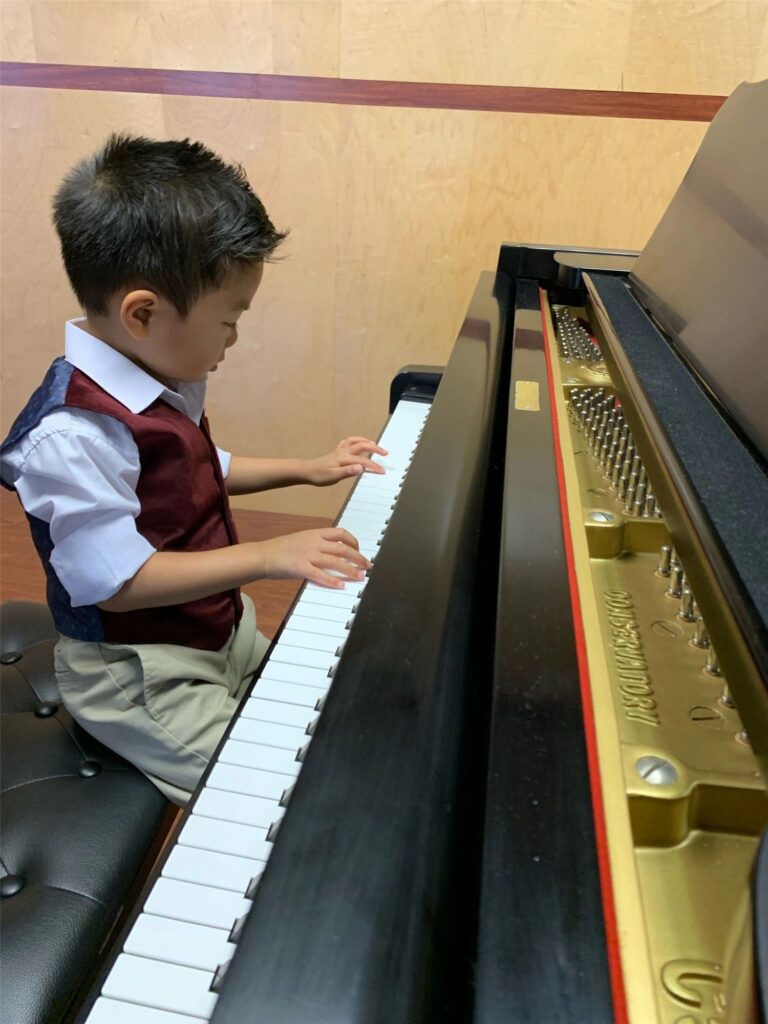
Kinesthetic learners thrive when they can physically engage with what they’re learning. These students need to “do” in order to understand. In the context of music lessons, kinesthetic learners may find it easier to learn by physically playing an instrument, feeling the motions of their hands, and experimenting with different movements or techniques. The more hands-on the experience, the better.
Characteristics of Kinesthetic Learners:
- Learn best through physical activity and hands-on experience
- Have a strong sense of body awareness and motor control
- May struggle with traditional sitting-down lessons or passive learning
- Prefer to engage in activities that involve movement, like playing instruments or experimenting
- Learn best through physical activity and hands-on experience
- Have a strong sense of body awareness and motor control
- May struggle with traditional sitting-down lessons or passive learning
- Prefer to engage in activities that involve movement, like playing instruments or experimenting
For kinesthetic learners, music lessons should involve:
- Frequent opportunities to play and experiment with their instrument
- Physical exercises that develop muscle memory, such as finger exercises or hand positioning
- Using body movements to connect with rhythm and tempo, like tapping feet or swaying to the beat
- Frequent opportunities to play and experiment with their instrument
- Physical exercises that develop muscle memory, such as finger exercises or hand positioning
- Using body movements to connect with rhythm and tempo, like tapping feet or swaying to the beat
4. Reading/Writing Learners: Learning Through Text
Though often overlooked in music lessons, reading/writing learners process information best through written words. These learners benefit from detailed notes, written instructions, and the ability to take notes or write out their thoughts. While it may seem like music is primarily an auditory and visual experience, reading/writing learners can still succeed in music education by engaging with text-based materials.
Characteristics of Reading/Writing Learners:
- Excel at reading and writing tasks, such as taking notes or writing out explanations
- Appreciate written instructions and written forms of feedback
- Often prefer textbooks, articles, or written guides over verbal or hands-on learning
- May struggle with pure auditory or kinesthetic tasks without a textual component
For reading/writing learners, incorporating structured materials like written sheet music, theory textbooks, and note-taking during lessons can help reinforce learning. Teachers who provide detailed written feedback, music theory handouts, and written exercises will create a learning environment where reading/writing learners thrive.
How Learning Styles Impact Music Lessons
Now that we’ve looked at the four main learning styles, let’s dive deeper into how these styles can influence the success of music lessons.
Creating a Learning Environment That Works for Your Child
Every child has a preferred way of learning, and understanding that style is crucial when choosing the right approach to music education. If you’re unsure of your child’s learning style, you can try different approaches and observe how they respond. Does your child seem to learn best by listening to their instructor? Or do they pick up faster when they can see what’s being done, either through sheet music or watching the teacher’s hand movements?
Choosing Sunnyvale music lessons that cater to your child’s specific learning style will not only improve their chances of success but also make the learning process more enjoyable. Here are some ways the learning style can shape your child’s experience:
- Auditory Learners: These students will appreciate lessons that include listening to music, vocal instructions, and verbal feedback. They may prefer group lessons where they can hear other students’ performances, and they may enjoy learning through songs they recognize.
- Visual Learners: These learners will benefit from having the music in front of them, with plenty of visual aids such as sheet music, diagrams, or videos. Teachers who use visual cues and highlight note patterns will help visual learners connect the dots in their music education.
- Kinesthetic Learners: To support kinesthetic learners, hands-on lessons are essential. Providing opportunities for students to physically engage with their instrument during lessons and practice is key. Teachers who focus on developing muscle memory and encourage lots of practice will be crucial for these learners.
- Reading/Writing Learners: These students benefit from written materials, so providing them with theory books, worksheets, and the chance to take notes will enhance their learning process. For these students, clear, written instructions are often more effective than verbal or purely visual guidance.
How Parents Can Support Their Child’s Learning Style
As a parent, you can play an active role in supporting your child’s learning. Once you identify your child’s learning style, try to incorporate activities at home that complement their preferred method of learning.
- Auditory learners can practice by listening to music, attending live performances, or discussing music theory verbally.
- Visual learners might enjoy watching instructional videos or writing out music theory concepts.
- Kinesthetic learners can benefit from interactive music games, physical exercises to improve finger strength, or even simple body movements like clapping or tapping to improve rhythm.
- Reading/writing learners can focus on writing out their music lessons, keeping a journal, or reviewing sheet music regularly.
Helping Your Child Thrive in Music Lessons
Choosing the right music lessons for your child is a powerful decision that can help them unlock their full potential. By understanding the way they learn and aligning their lessons with their preferred style, you’ll set them up for success. Whether they’re an auditory, visual, kinesthetic, or reading/writing learner, there are music lesson options available that can enhance their educational experience.
At Norcal Music & Arts Center, we understand that every student is unique. Our instructors tailor lessons to suit each child’s learning style, ensuring a personalized approach that encourages growth and creativity. Whether your child is just starting out or looking to deepen their skills, we’re here to support them every step of the way.
Frequently Asked Questions
What if my child has multiple learning styles?
It’s common for children to have more than one learning style. In such cases, a well-rounded music lesson that incorporates auditory, visual, and kinesthetic elements can be beneficial.
How can I tell which learning style my child has?
Observe your child during practice. Do they respond better to verbal cues, visual aids, or hands-on activities? You can also try introducing different types of learning activities to see which one helps them understand music best.
Are private music lessons better than group lessons?
Both private and group lessons have their advantages. Private lessons provide individualized attention, making them ideal for students with specific learning needs. Group lessons, on the other hand, can foster a sense of community and allow students to learn through peer interaction.
How can I motivate my child to practice?
Make practice time fun! Set achievable goals, celebrate milestones, and create a practice routine that works for your child’s learning style. Providing positive reinforcement will help keep them motivated.
If you’re looking for a music school that truly understands the unique needs of your child, contact Norcal Music & Arts Center today to schedule a consultation. Let’s unlock your child’s musical potential together!
By paying attention to your child’s learning style, you can ensure that their music lessons are engaging, effective, and enjoyable. This personalized approach is what will help them succeed in the long run.